The Wearable Data Worth Paying Attention To (and What to Skip)
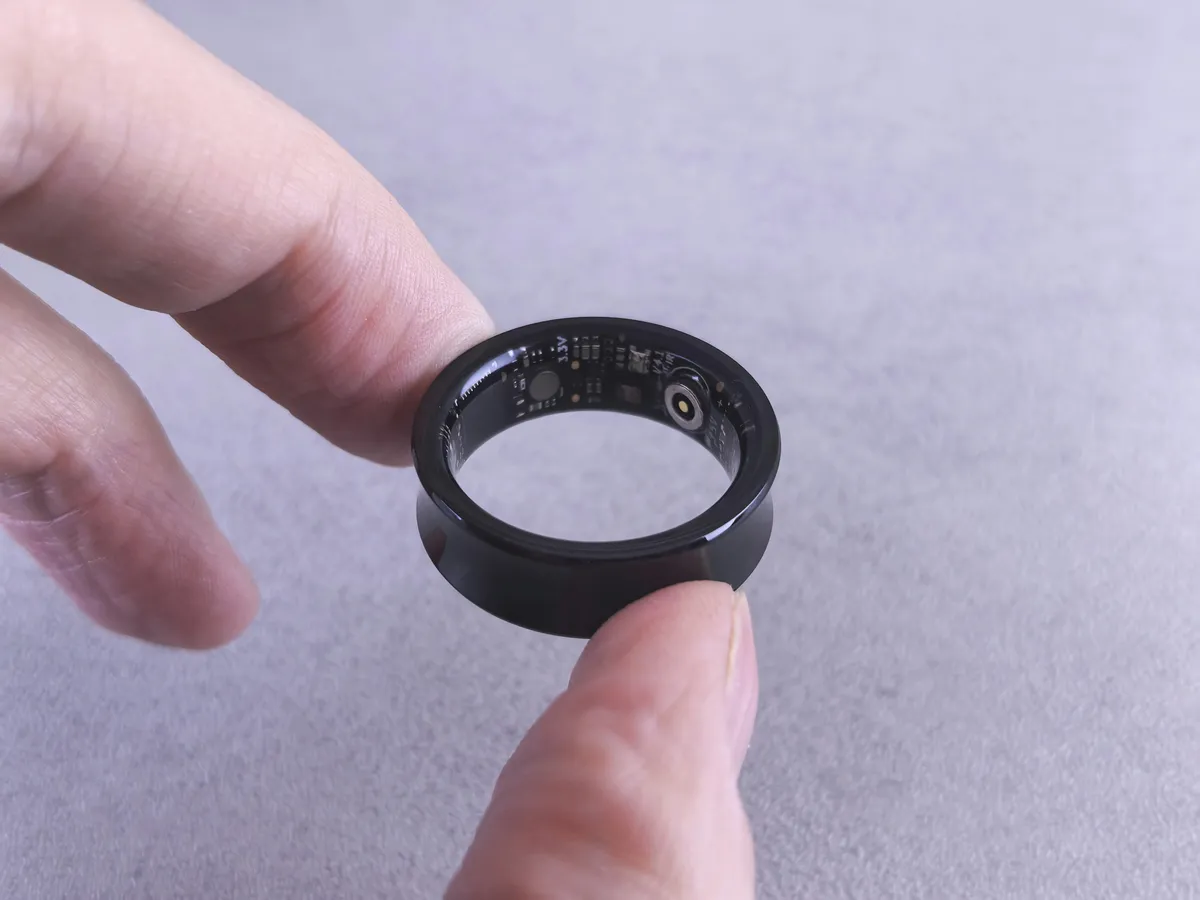
For a lot of us, the day now starts the same way: eyes open, phone in hand, a quick scan of last night's sleep score before we've even sat up. Maybe a readiness number. Maybe an HRV reading that's down a few points from yesterday, and just like that, a morning that did feel fine now feels off. Wearables became the number one fitness trend for 2026 (McAvoy, 2025), but the researchers who study them keep pointing at the same gap: most of us are sitting on a pile of data that not many of us really know how to read. So let’s take a look at what's truly worth your attention.
Start With These Three
Unlike a metronome, your heart doesn't beat in a perfectly even rhythm. Heart rate variability, the small differences in timing from one beat to the next, is a window into how your nervous system is coping. More variability generally means your body is adapting well (Shaffer & Ginsberg, 2017). It's also deeply personal, so your own baseline tells you far more than anyone else's number will.
Out of everything your device tracks, three signals earn most of your focus:
Sleep consistency comes first. Going to bed and waking up around the same time predicts how long you live better than total hours in bed does: in a study of nearly 61,000 adults, the most regular sleepers had a 20 to 48 percent lower risk of early death than the most irregular ones (Windred et al., 2024).
Steps come next, though the famous 10,000 target isn’t set in stone (it came from a 1960s pedometer ad, not a study). Your risk of early death keeps dropping until somewhere around 8,000 to 10,000 steps for younger adults and 6,000 to 8,000 after 60, then it plateaus (Paluch et al., 2022).
Last is your cardio-fitness estimate, your device's rough stand-in for VO₂ max (basically, how much oxygen your body can use when you're pushing hard). Higher fitness tracked with a longer life, with no ceiling in sight, across 122,000 adults (Mandsager et al., 2018). This one you may have to hunt for, since some trackers file it under a different name and ask you to do a short walking test before it shows a real number. Once it's set up, easy "zone 2" efforts with the occasional harder push nudge it up over time.
The Weekly Review
Don’t let one bad reading get you down, because just one piece of information with wearables is mostly noise. What you're after is the pattern underneath it.
Once a week, look at three things: your average sleep and wake times, which way your steps are trending, and whether your HRV baseline is creeping up or drifting down. Sliding later on weekends? Did your steps fall off when work got busy? Has your HRV been low for several days, which can hint at built-up stress or a bug you're fighting? Pick two things to tweak, not all five.
The habits that move these numbers are almost boringly simple: a steady wake-up time paired with a few minutes of morning light, a short walk after meals, slow breathing at around six breaths a minute to gently lift HRV, and going easy on late-night alcohol, which reliably drags your recovery score down the next morning.
When to Close the App
And here’s the truth: sometimes the smartest thing you can do is stop checking it. Researchers even have a name for this backfire, "orthosomnia," coined after they noticed people whose hunt for a perfect sleep score was making their sleep worse (Baron et al., 2017). And remember, these are consumer gadgets, not medical devices. Their sleep-stage and recovery estimates can be plain wrong. If you feel rested but the app says you're "unrecovered," believe your body. Travel, a cold, a hard workout, a couple of drinks, or where you are in your menstrual cycle can all throw a single reading off. Remember it's a data point, not a diagnosis.
A Nutritional Therapy approach treats all of this as one input rather than the verdict. The numbers get a lot more useful sitting next to the fuller picture: how you're really sleeping, what's on your plate, where your stress is coming from, what your labs actually show. So watch the trends. Use them to ask better questions. And don't lose sleep over one rough morning. The number is there to inform you. It doesn't get to run your day.
Want help turning all that data into a plan that fits your actual life? Click here to book a discovery call with me and we can talk more about it.
Jessica Queen
M.Ed., NTP
This article was prepared with insights provided by the Holistic Entrepreneur Association.
References
Baron, K. G., Abbott, S., Jao, N., Manalo, N., & Mullen, R. (2017). Orthosomnia: Are some patients taking the quantified self too far? Journal of Clinical Sleep Medicine, 13(2), 351–354. https://doi.org/10.5664/jcsm.6472
Mandsager, K., Harb, S., Cremer, P., Phelan, D., Nissen, S. E., & Jaber, W. (2018). Association of cardiorespiratory fitness with long-term mortality among adults undergoing exercise treadmill testing. JAMA Network Open, 1(6), e183605. https://doi.org/10.1001/jamanetworkopen.2018.3605
McAvoy, C. R. (2025). 2026 ACSM Worldwide Fitness Trends: Future directions of the health and fitness industry. ACSM's Health & Fitness Journal. https://doi.org/10.1249/FIT.0000000000001110
Paluch, A. E., Bajpai, S., Bassett, D. R., Carnethon, M. R., Ekelund, U., Evenson, K. R., . . . Steps for Health Collaborative. (2022). Daily steps and all-cause mortality: A meta-analysis of 15 international cohorts. The Lancet Public Health, 7(3), e219–e228. https://doi.org/10.1016/S2468-2667(21)00302-9
Shaffer, F., & Ginsberg, J. P. (2017). An overview of heart rate variability metrics and norms. Frontiers in Public Health, 5, 258. https://doi.org/10.3389/fpubh.2017.00258
Windred, D. P., Burns, A. C., Lane, J. M., Saxena, R., Rutter, M. K., Cain, S. W., & Phillips, A. J. K. (2024). Sleep regularity is a stronger predictor of mortality risk than sleep duration: A prospective cohort study. Sleep, 47(1), zsad253. https://doi.org/10.1093/sleep/zsad253